About the Project
The Shaper Leaders project delivers a structured training program in Thailand that develops practical policy, negotiation, and decision-making skills for young people.
We designed the program as a multi-region learning sequence combining workshops, simulations, field exposure, and short policy development sprints. The program supports participants by providing clear processes for analyzing resource-use issues, negotiating trade-offs, and translating observations into early-stage policy proposals.
Why do you care about this specific topic/issue?
Policy discussions on natural resource use often exclude structured entry points for early-career participants. Training programs frequently focus on theory without connecting skills to real regional conditions or decision-making processes. This gap results in limited practical understanding of how to form, test, and refine policy across sectors such as energy, waste, and air quality.
Why did you decide to start this project?
We observed repeated instances in which participants had a strong interest in policy topics but lacked structured tools to analyze problems, negotiate perspectives, and frame proposals. This pattern showed the need for a practical training system that combined skill-building with applied exercises grounded in local resource-use challenges.
What are your goals for this project?
We will establish a repeatable training framework that links negotiation skills, policy simulation, field observation, and short-form policy development. The goal is to standardize how participants move from issue identification to early policy concepts while working within time, data, and coordination constraints.
How will YSEALI Seeds help you achieve your goals?
YSEALI Seeds for the Future provides funding that enables regional delivery across multiple locations, covering workshop logistics, facilitation, and field activities. Mentorship and structured check-ins support program design decisions and activity sequencing. Institutional support from YSEALI Seeds also facilitates coordination with local organizations, municipalities, and subject-matter partners.
What have you accomplished and implemented so far?
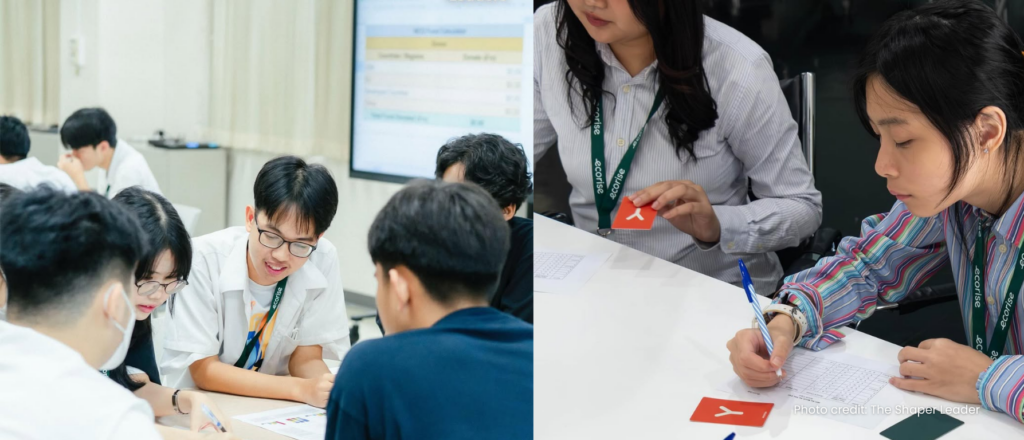
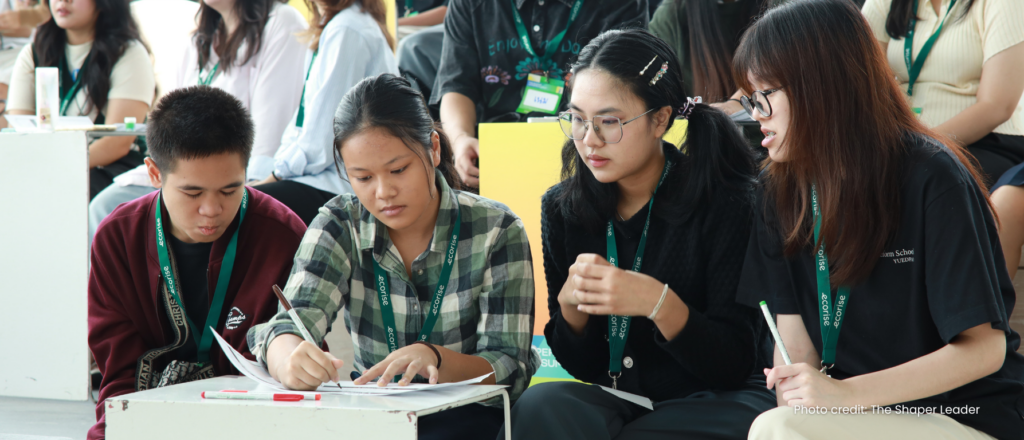
We delivered three negotiation workshops across Chiang Mai, Rayong, and Lampang, engaging over 120 participants. We held three regional policy simulations – each adapted to local resource-use conditions – and three hackathon-style sessions, which produced nine early policy ideas addressing energy use, waste management, and air quality.
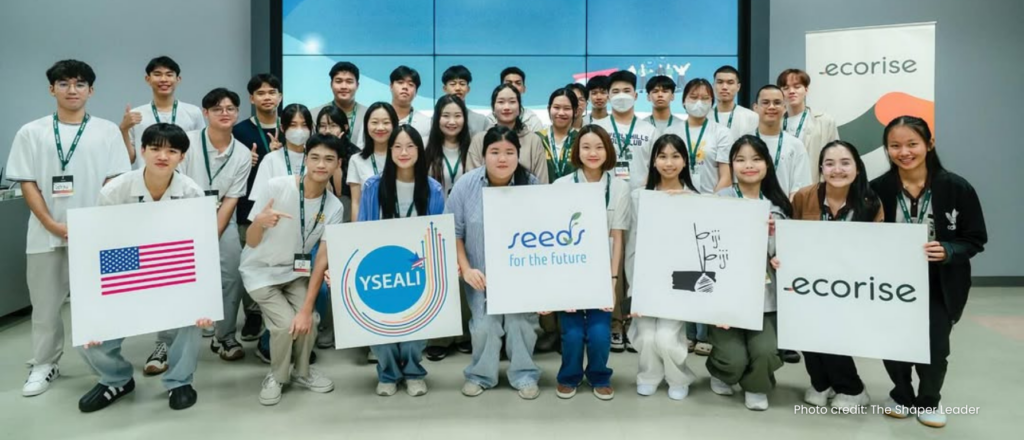
We also conducted three field study visits that exposed participants to real operational contexts, including light pollution management, industrial waste systems, and coal-related air pollution. We established partnerships with at least six local stakeholders, including research institutes, municipal bodies, and private operators.
What are the most significant lessons learned you’ve experienced so far?
Training effectiveness increased when policy themes were directly linked to local conditions. Region-specific framing improved participant engagement and discussion quality. We also found that hackathon-style sessions require more time than initially planned for structured debate and refinement. Scheduling across academic calendars and weather conditions required additional contingency planning.
What are the success stories you can share with others?
After the Lampang activities, participants noted that the sessions clarified how to use structured negotiation and policy tools beyond classrooms to real decision-making contexts.
“กิจกรรมนี้ทำให้เห็นว่าเยาวชนมีบทบาทสำคัญกว่าที่คิดไว้… เราสามารถจุดประกายการเปลี่ยนแปลงได้จริง” – This activity showed me that young people have a bigger role than I ever thought…we can truly spark change.
This feedback reflected improved understanding of the process rather than agreement on outcomes.