About the Project
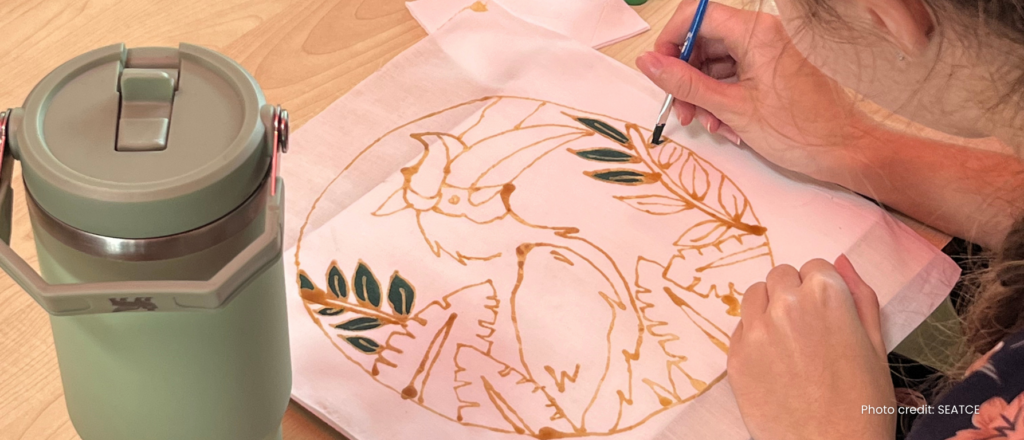
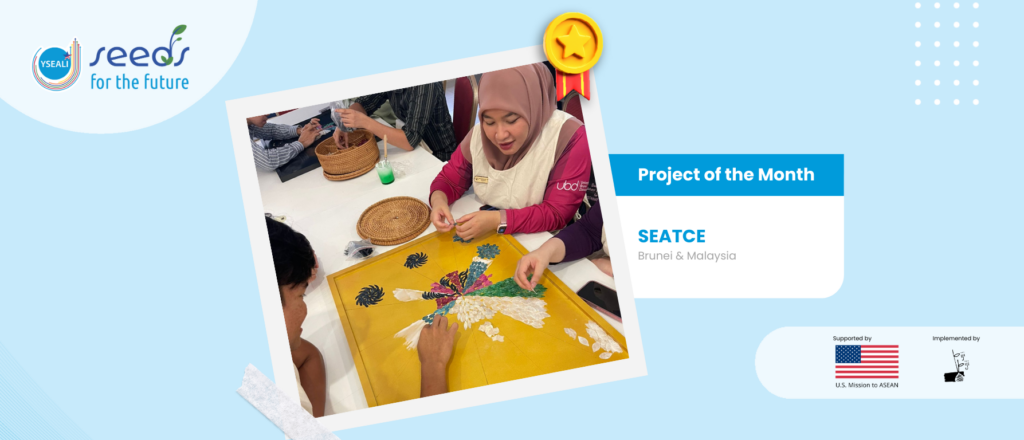
SEATCE (Southeast Asian Traditional Craft Encyclopedia) created a regional platform that showcases craft techniques and highlights artisans, giving traditional artisans greater visibility and access to markets across Southeast Asia, starting with pilot programs in Bandar Seri Bagawan, Brunei and Sarawak, Malaysia.
SEATCE brings together artisans, young visual content creators, and researchers to comprehensively document the region’s traditional crafts. The platform supports artisans by improving visibility and creating a centralized repository of authentic craft knowledge.
Why do you care about this specific topic/issue?
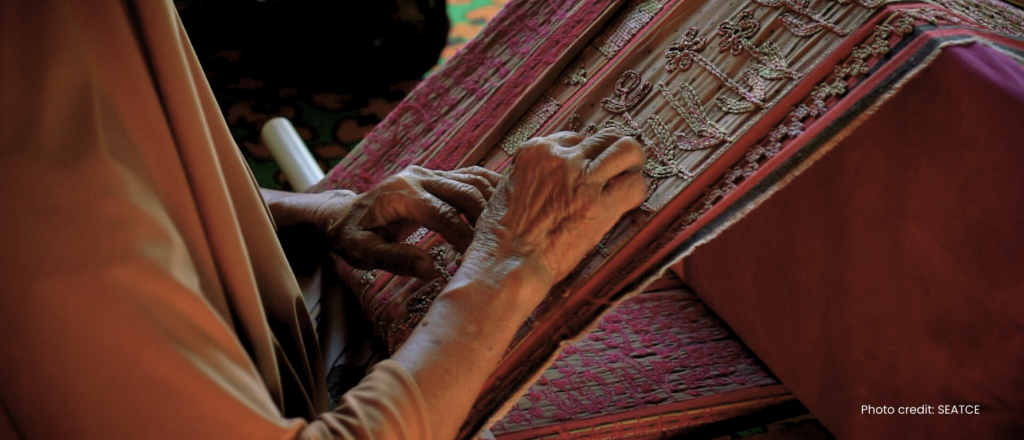
Documentation of traditional crafts across the region is often incomplete or even entirely absent. Information is fragmented across agencies, directories are incomplete, and documentation standards are inconsistent.
These gaps limit visibility, slow recognition, and restrict broader economic access to traditional craft knowledge. We focus on this issue because documentation is a prerequisite for preservation, market access, and cross-border understanding.
Why did you decide to start this project?
Maisarah – born in Vietnam and based in Brunei – shared this concern with Manh from Vietnam and Mik from the Philippines, who had seen similar challenges in their own contexts. We realized this was not an isolated issue, but a regional one. Many craft techniques were known locally but lacked any durable digital record.
Young people interested in cultural documentation existed, but few tools or processes supported consistent fieldwork. These conditions highlighted the need for a shared documentation framework that links artisans, researchers, and content creators.
What are your goals for this project?
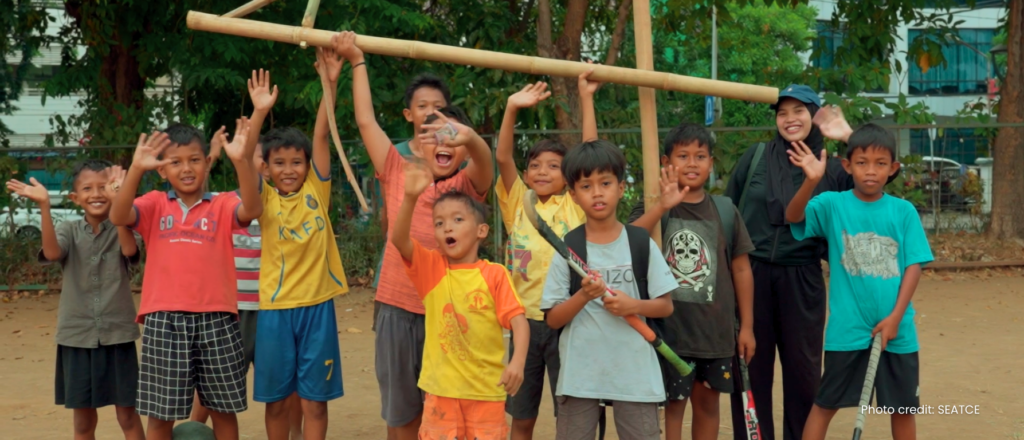
This regional digital encyclopedia applies consistent documentation standards for photography, interviews, and process capture. One of our goals is to equip young people with basic visual-production and research skills to support ongoing documentation. In parallel, we seek to build early-stage networks with artisans and creative partners across Southeast Asia.
How will YSEALI Seeds help you achieve your goals?
YSEALI Seeds for the Future provides funding that supports platform development, workshop programming, and early documentation activities. Mentorship and program guidance support project scoping, partner coordination, and phased implementation. Institutional backing from YSEALI Seeds also strengthens trust with artisan groups and creative partners during early outreach.
What have you accomplished and implemented so far?
We began by launching the first version of the SEATCE digital encyclopedia website as we developed a clear documentation methodology covering photography standards, interview protocols, and craft process capture. This provided a common reference for how SEATCE should record and present traditional crafts.
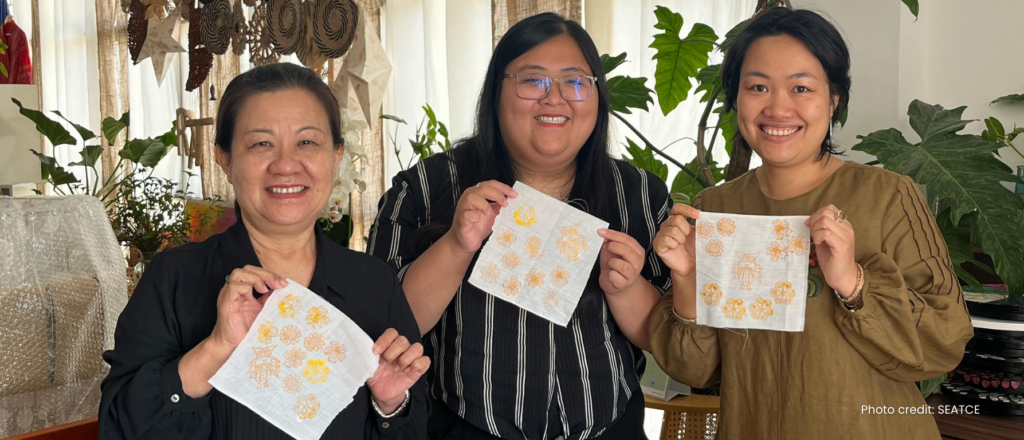
Building on this foundation, we held a regional workshop with participants from Brunei, Vietnam, Thailand, and Malaysia to map artisan networks and clarify filming requirements across locations. We then held a dedicated workshop for young people on heritage documentation and conducting field interviews using the established methodology.
To support ongoing documentation, we developed two video-making training modules and launched a youth video contest across Southeast Asian higher education institutions, receiving 17 submissions. In parallel, an online network of more than 100 students interested in craft documentation and video production has taken shape with the support of three active social media channels that share project work and updates.
What are the most significant lessons learned you’ve experienced so far?
Early outreach showed strong interest from artisans but also revealed procedural constraints such as filming permits and fragmented contact lists. Trust-building requires time and repeated engagement. We also learned that starting with clear documentation standards simplifies collaboration across regions and contributors.
What are the success stories you can share with others?
During early documentation outreach, our participating artisans told us, “I didn’t think people outside my village cared about our weaving. Now I feel it is worth continuing.” This feedback reflected increased visibility rather than changes in sentiment or aspiration.