About the Project
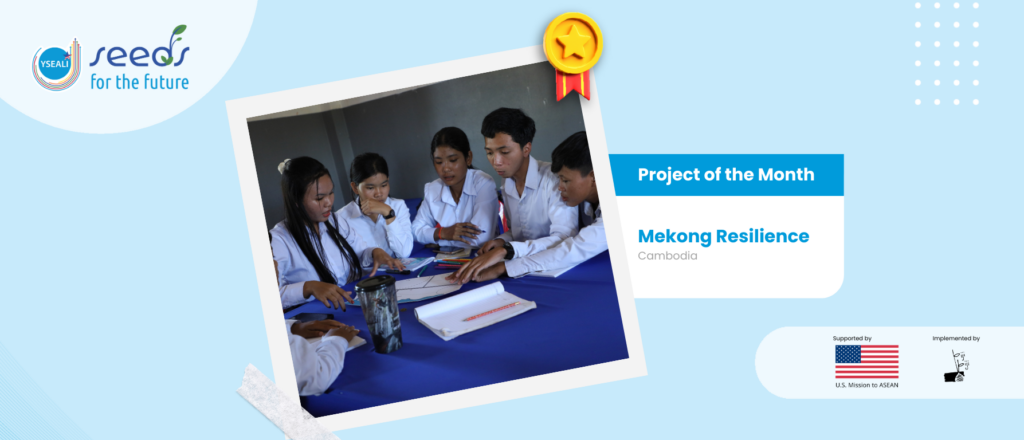
Mekong Resilience builds a structured training and information system that equips young Cambodians with practical disaster risk reduction knowledge for flood-prone areas.
We designed the initiative to improve awareness of localized risk, preparedness procedures, and basic planning concepts across flood-prone areas. The approach combines in-person training, a practical handbook, and a digital information campaign to support consistent knowledge transfer.
Why do you care about this specific topic/issue?
Flood-prone regions in Cambodia experience recurring damage linked to limited preparedness, uneven access to early-warning information, and low participation of young people in disaster-risk planning processes. Foundational frameworks and prevention concepts are often unfamiliar to potential contributors, slowing the adoption of risk-reduction measures. These gaps reduce the effectiveness of preparedness efforts.
Why did you decide to start this project?
We made observations across multiple provinces that showed that young people were interested in disaster preparedness but were not getting training on it or practical reference materials. This highlighted the need for a training format that translated disaster risk concepts into localized, actionable information with proper documentation.
What are your goals for this project?
We delivered a repeatable training format that builds baseline disaster risk knowledge and improves access to early warning information. Another goal is to document localized preparedness practices in a handbook that can serve as a reference beyond training sessions. In parallel, we seek to test digital channels for distributing preparedness information more widely.
How will YSEALI Seeds help you achieve your goals?
YSEALI Seeds for the Future provides funding that supports training, handbook development, and digital outreach. YSEALI Seeds also gave us mentorship and program guidance to support activity design and coordination across locations. Support from YSEALI Seeds also assisted us with our engagement with relevant stakeholders involved in disaster risk management.
What have you accomplished and implemented so far?
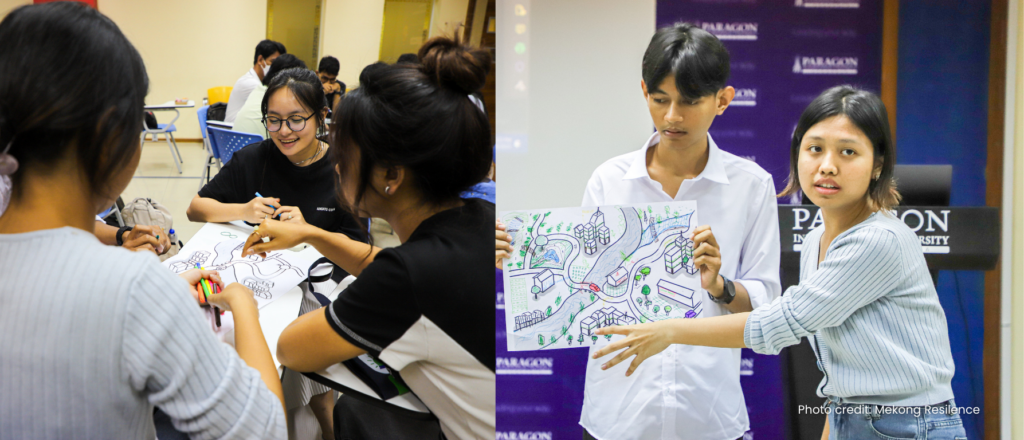
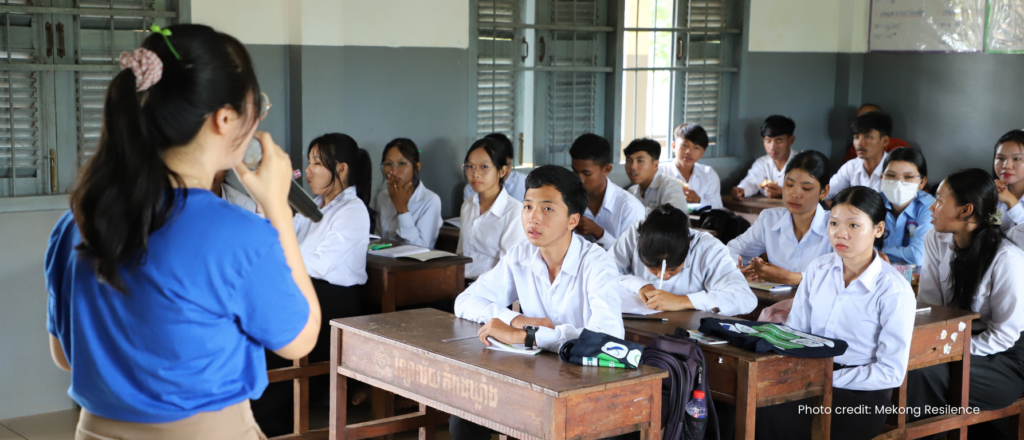
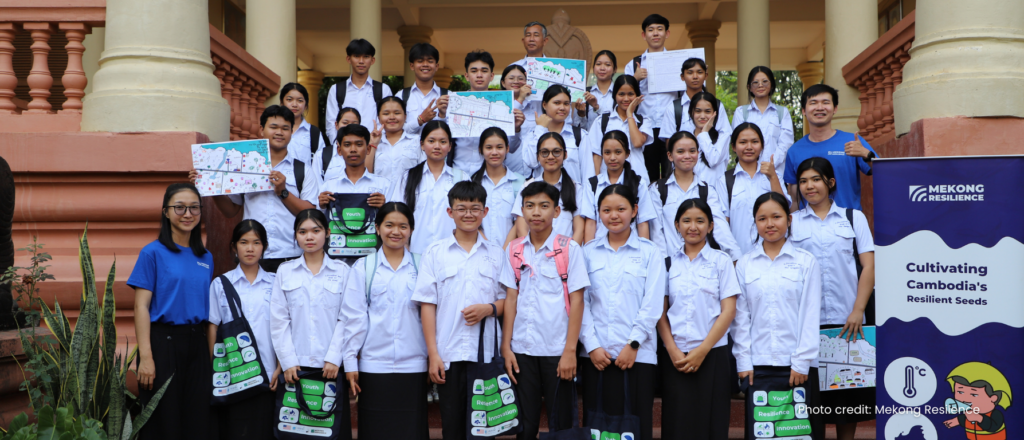
We conducted training sessions for 136 young participants in Phnom Penh, Siem Reap, and Kratie covering disaster risk fundamentals, early warning information, and basic resilience planning. There were 43 participants who joined a youth ideathon where they presented early solution ideas to stakeholders including the National Committee for Disaster Management.
We reached approximately 25,000 views with preparedness and risk-awareness content through a targeted digital campaign. . We also developed one handbook documenting localized risk reduction practices and disaster preparedness procedures.
What are the most significant lessons learned you’ve experienced so far?
We learned that interactive, hands-on training formats supported better understanding of technical concepts compared to lecture-based sessions. Also, localized context improved relevance and discussion quality amongst the users. We also learned that digital content can reach a wide audience but requires further refinement to improve attention and retention. Lastly, we had to be flexible because coordinating schedules and formats across provinces proved quite challenging.
What are the success stories you can share with others?
Our training participants said that the program clarified how individual households can take disaster preparedness actions rather than relying solely on external responders. This was a small win as it reflected improved understanding of preparedness roles and procedures.