About the Project
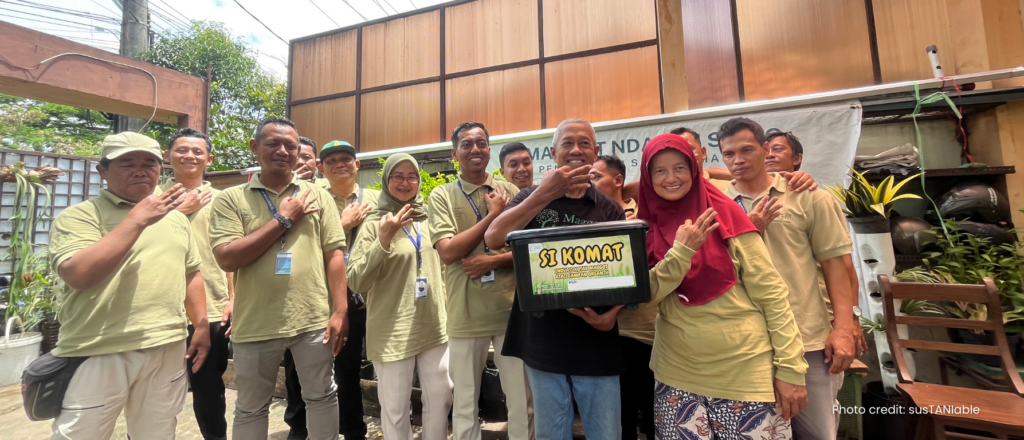
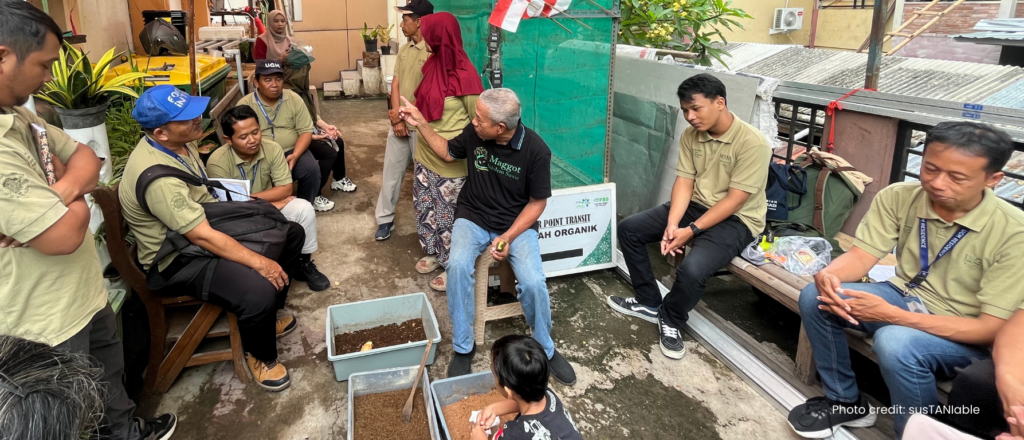
susTANIable launched an education program to promote responsible consumption and cut food waste in Yogyakarta. We designed the program to combine learning materials, waste-sorting guidance, and a small-scale food waste processing unit suited for student housing and university cafeterias. The system prioritizes minimizing landfill disposal while enhancing essential on-site waste management practices.
Why do you care about this specific topic/issue?
Yogyakarta faces an increase in food waste because of limited waste disposal practices and overreliance on landfills. University cafeterias and dorms create a lot of food waste, but there aren’t consistent systems in place to prepare and manage it effectively. These gaps are an opportunity to implement practical options for reducing waste volumes at the source.
Why did you decide to start this project?
Initial assessments showed that awareness of food waste management varied widely across campuses, and existing handling practices were inconsistent. While some cafeterias had informal solutions, others lacked clear processes or guidance. This highlighted the need for training and demonstration models for student environments.
What are your goals for this project?
We provided practical education materials on responsible consumption and food waste reduction, supported improved waste disposal practices, and tested a compact processing unit suitable for campus settings. Another goal is to record the practical factors that influence how cafeterias and dorms use these systems.
How will YSEALI Seeds help you achieve your goals?
YSEALI Seeds for the Future provided funding and structured mentorship that supported material development, unit fabrication, and activity coordination. Monthly mentoring sessions and webinars supported our planning, activities and adjustment of implementation timelines.
What have you accomplished and implemented so far?
We drafted one booklet and one learning module on food waste reduction and disposal practices, alongside two educational posters we deployed during our awareness campaign.
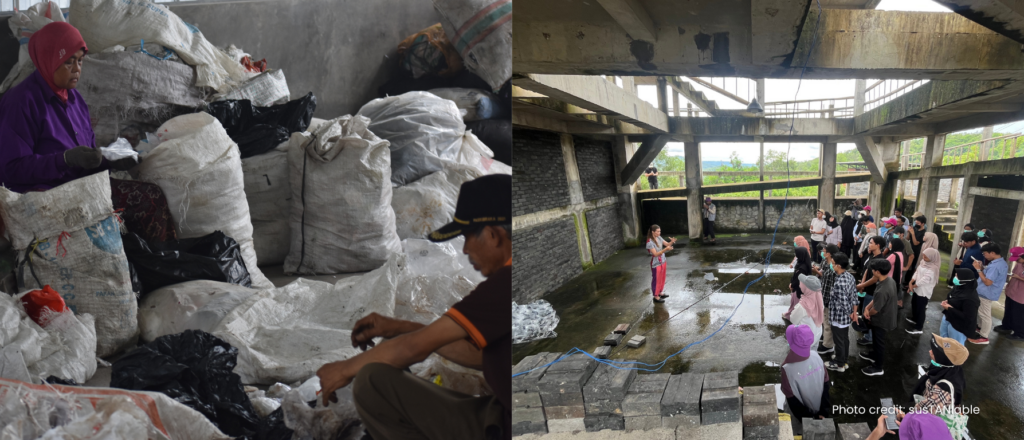
We manufactured a food waste processing unit to support early-stage conversion. 10 university cafeterias to assess waste output and readiness. We also held group discussions with dormitory staff and cross-sector stakeholders. More than 200 young people joined our educational discussions and landfill visits, and over 150 participants attended the sub-events under the susTANIverse festival.
What are the most significant lessons learned you’ve experienced so far?
Campus readiness varies, which requires flexible partner selection. Some cafeterias already managed waste independently, while others needed more structured support. It required careful scheduling to coordinate activities alongside team members’ primary responsibilities. Thus, early piloting clarified which environments were most suitable for intervention.
What are the success stories you can share with others?
Dormitory staff identified adjustments to sorting practices they could immediately apply within shared kitchen areas. This demonstrated that staff were actively following guidance, rather than simply shifting their attitudes or intentions.