About the Project
No Limits: You Can Be a Financial Analyst! provides hands-on workshops for both vocational and deaf students, alongside real-world competitions for vocational students.
We designed the program to combine hands-on finance training, use of accounting software, professional preparation, and a structured competition format. The system supports participants by linking foundational financial skills with practical tools and career-oriented activities.
Why do you care about this specific topic/issue?
Entry-level finance education often lacks exposure to real tools, applied scenarios, and structured pathways that connect training to professional contexts. Vocational students and Deaf learners also face limited access to tailored instruction and software-based learning. Without practical workflows, financial education remains disconnected from workforce readiness.
Why did you decide to start this project?
Observations across schools and training programs showed that participants frequently completed finance-related courses without confidence in their ability to apply skills to real tasks.
Teachers also reported limited opportunities to integrate accounting software or emerging technologies into instruction. These conditions indicated the need for a program that combines training, practice, and assessment within a single learning track.
What are your goals for this project?
We will establish a comprehensive structured learning system that links financial literacy, digital competency, and professional readiness. This includes hands-on workshops, software-based exercises, and a competition format that tests applied skills. Another goal is to make it easy to adapt training formats for Deaf participants and educators.
How will YSEALI Seeds help you achieve your goals?
YSEALI Seeds for the Future provides funding for workshop delivery, competition logistics, expert facilitators, and accessibility resources such as interpreters and typists. Mentorship and program check-ins support implementation planning, stakeholder coordination, and impact tracking. Institutional backing from YSEALI Seeds also supports collaboration with schools and partner organizations.
What have you accomplished and implemented so far?
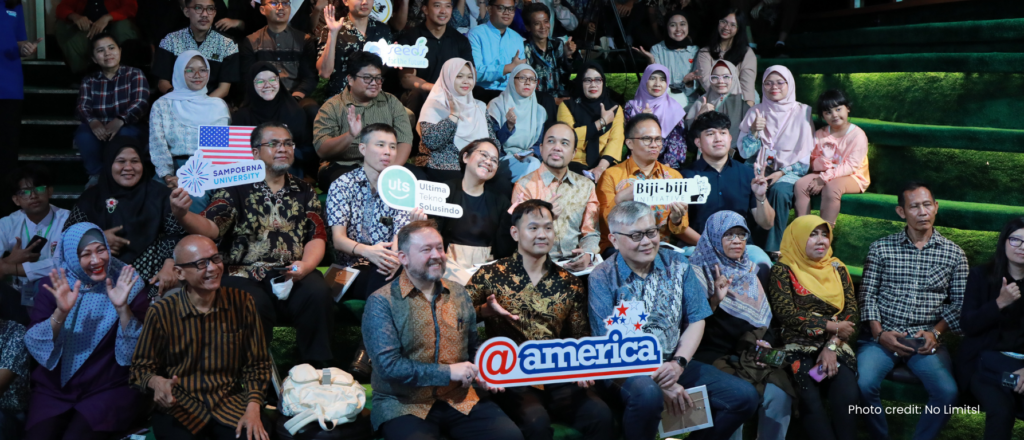
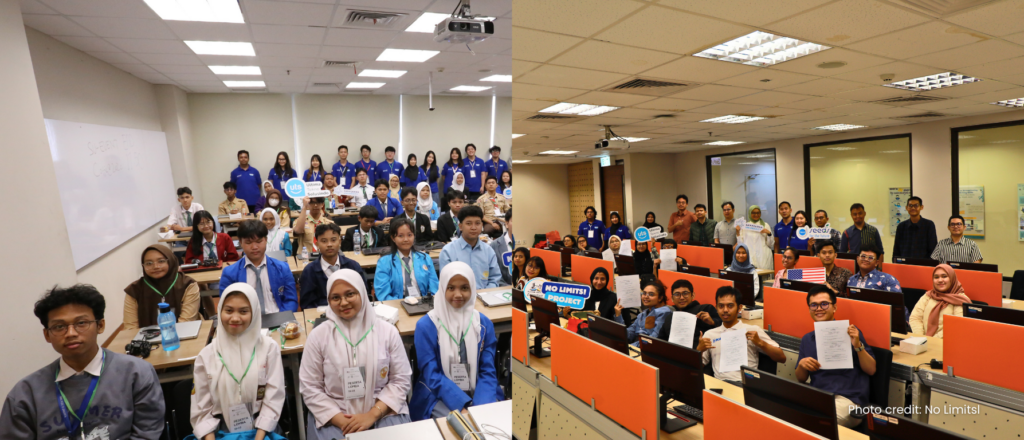
We involved 223 participants across all activities, exceeding the original target by 10 percent. We had 97 vocational students participate in a multi-day accounting competition integrating software use and scenario-based tasks. We had 33 Deaf participants join five workshops covering personal finance, digital branding, and accounting tools.
We had 93 teachers participate in three sessions focused on MSME finance and AI-enabled teaching methods. In total, we delivered nine workshops, one talk show with interpreters and typists, and one competition.
What are the most significant lessons learned you’ve experienced so far?
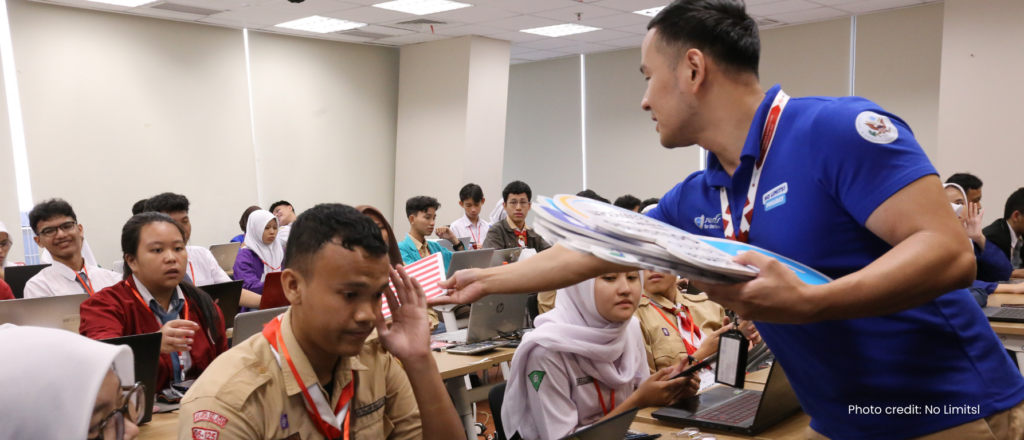
Financial training is more effective when content matches participants’ immediate use cases. Interactive formats, such as software practice and competitions, produced higher engagement than lecture-based sessions. Coordinating accessibility requirements across participant groups required early planning and flexible logistics.
What are the success stories you can share with others?
Following the workshops, our deaf participants who run a small tailoring business said she separated her personal and business finances and began tracking basic income and expenses. This demonstrates the practical application of the workshop content, moving beyond mere changes in motivation or attitude.