
About the Project
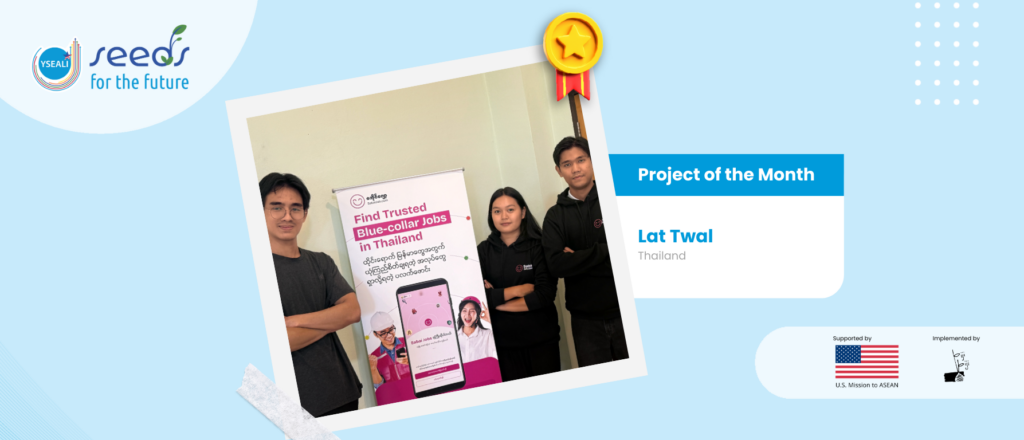
Lat Twal – Hand in Hand delivers bilingual digital learning and in-person training to Myanmar migrants in Thailand to increase employability and workplace safety knowledge.
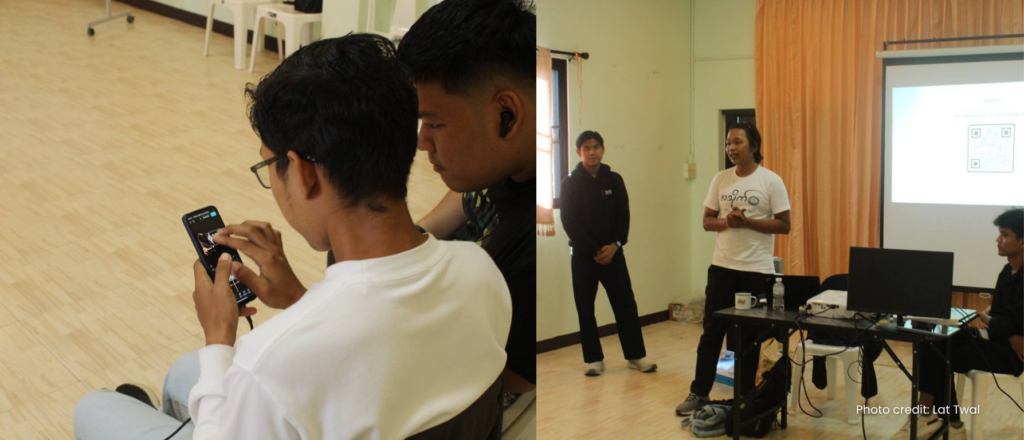
We designed the project as a dual-channel system combining Burmese-language online video lessons with small-group, skills-based workshops. The system supports workers by providing practical information on job search, scam awareness, and employability skills in ways the learners are familiar with.
Why do you care about this specific topic/issue?
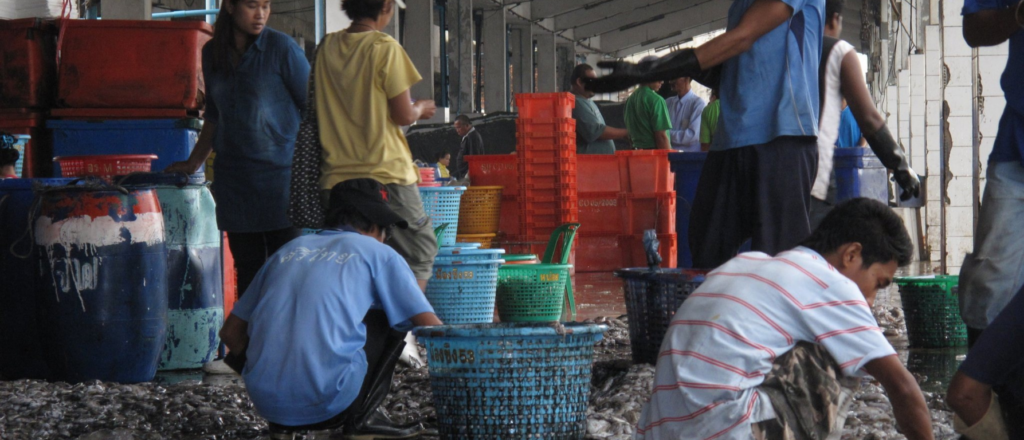
Myanmar migrants in Thailand often rely on informal networks and social media to find work. This exposes them to risk of fraudulent job offers, unsafe working conditions, and unclear recruitment processes. Existing training resources are often unavailable in Burmese or lack practical decision-making steps. These gaps increase risk and limit workforce mobility.
Why did you decide to start this project?
Repeated observations showed that many workers lacked clear reference points for identifying safe job opportunities or preparing basic application materials. This indicated a need for short, language-specific learning content paired with practical workshops to teach them concrete skills.
What are your goals for this project?
We deliver a repeatable learning workflow that combines short online lessons with applied in-person training. The goal is to improve awareness of safe job practices while providing practical in-demand skills that workers can apply immediately.
How will YSEALI Seeds help you achieve your goals?
YSEALI Seeds for the Future provides funding and mentorship that support content production, workshop delivery, and coordination. Program webinars and check-ins help address operational challenges, including safety considerations for participants and activity scheduling. Institutional backing from YSEALI Seeds also supports partner coordination in Mae Sot.
What have you accomplished and implemented so far?
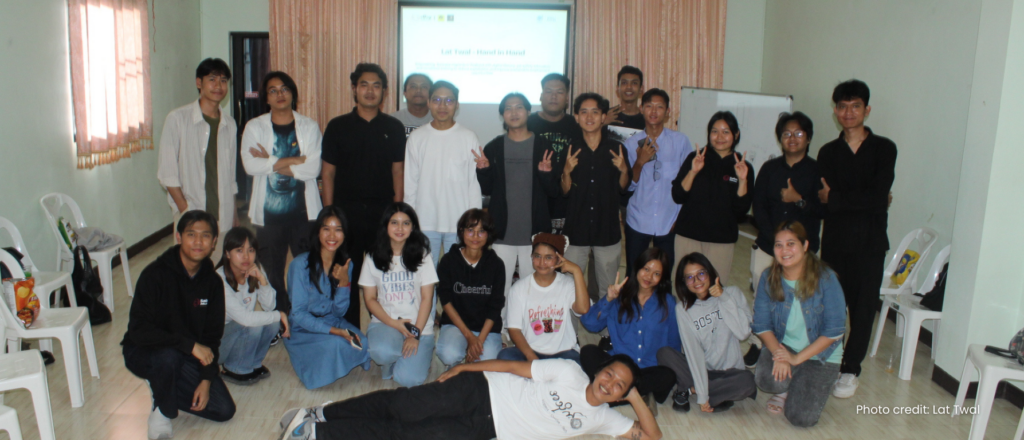
We produced and released nine Burmese-language video lessons between July and August, distributed them through digital channels, and paired them with quizzes. The campaign reached over 34,500 cumulative views. In addition, 18 participants joined a career readiness workshop series in Mae Sot on practical skills including CV preparation and digital content creation.
What are the most significant lessons learned you’ve experienced so far?
Digital reach does not automatically translate into active participation. While video views were high, quiz engagement remained low, indicating the need for clearer incentives and interactive design. We also learned to anticipate participant security concerns during recruitment and adjust timelines and formats accordingly.
What are the success stories you can share with others?
Our orkshop participant noted that the Burmese-language content explained job-related information that had previously been unclear.
“တစ်ကယ် မသိနားမလည်တဲ့ အလုပ်သမားတွေအတွက် ဗဟုသုတ ရစေတဲ့ content လေးတွေမို အရမ်းအသုံးဝင်ပါတယ်” – This content is very useful because it gives knowledge to workers who truly did not know or understand before.
This feedback reflected improved understanding of job safety concepts rather than changes in attitude or aspiration.